Creating an Inclusive Classroom: Harnessing the Power of Universal Design for Learning
Introduction
As educators, our primary goal is to create an inclusive and supportive enviroment where every student has the opportunity to thrive. One powerful approach that can help us achieve this goal is Universal Design for Learning (UDL). UDL is a curriculum-based approach that aims to make lesson plans and materials accessible to as many learners as possible. In this blog post, we will explore the principles of UDL and how they can be applied to various aspects of education, including classroom setup.
Understanding Universal Design for Learning
Universal Design for Learning is grounded in neurological research and focuses on three brain systems: the recognition system, the strategic system, and the affective system. The UDL framework consists of three guiding principles: multiple means of representation, multiple means of action and expression, and multiple means of engagement.
Multiple Means of Representation
The first principle of UDL emphasizes providing learners with multiple ways to access information. This can be achieved by presenting information in different formats such as text, images, videos, or audio. By offering various modes of representation, students with diverse learning styles and abilities can engage with the content in a way that suits them best.
Multiple Means of Action and Expression
The second principle of UDL focuses on the ways in which students can demonstrate their understanding and skills. This can include providing options for students to express themselves through writing, speaking, drawing, or using technology. By offering multiple means of action and expression, we empower students to showcase their knowledge using their preferred mode of communication.
Multiple Means of Engagement
The third principle of UDL emphasizes the importance of engaging students in their learning process. This can be achieved by providing a variety of learning activities, incorporating students' interests and passions, and offering choices in assignments or projects. By offering multiple means of engagement, we foster a sense of ownership and motivation in our students.
Implementing UDL in Classroom Setup
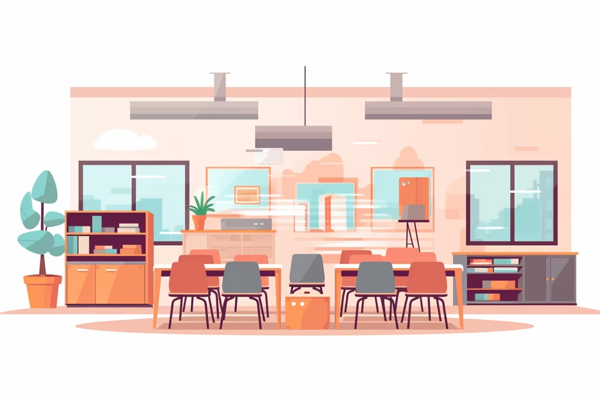
Classroom setup plays a crucial role in creating an inclusive learning environment. By considering UDL principles when organizing the physical space and resources, we can accommodate the diverse needs of our students.
Applicability
Ensure that the classroom setup is applicable to all students by providing a variety of seating options. Consider flexible seating arrangements such as desks, tables, bean bags, or standing stations. This allows students to choose a seating option that best suits their individual needs and preferences.
Capability
Create a classroom setup that supports students' capabilities by arranging materials and resources at accessible heights. Make sure that materials are within reach for all students, including those with mobility challenges. Consider organizing materials in labeled bins or shelves for easy identification and access.
Clarity
Promote clarity in the classroom setup by maintaining a clean and organized environment. Minimize distractions and clutter that may hinder students' focus and attention. Use clear labels and signage to help students locate materials and resources independently.
Expression
Encourage student expression by providing designated spaces for displaying their work or ideas. Create bulletin boards or interactive areas where students can showcase their creativity and share their thoughts. This promotes a sense of belonging and pride in their accomplishments. Consider using
cork tiles or
framed cork boards to create a visually appealing and interactive display area.
Safety
Prioritize the safety of all students in the classroom setup. Arrange furniture and equipment in a way that allows for easy movement and accessibility. Ensure that pathways are clear and free of any potential hazards. Consider the needs of students with sensory sensitivities or allergies when selecting classroom materials or cleaning products.
Size
Consider the size of the classroom setup to accommodate students' diverse needs. Allow for ample space for students to move around and engage in different learning activities. Arrange furniture in a way that allows for both individual and collaborative work. Ensure that there is enough space to accommodate assistive technology or additional support tools, if needed.
Utilizing UDL Resources and Tools
Fortunately, there are numerous UDL resources and tools available online to assist educators in implementing UDL principles in their practice. These resources provide practical tips, strategies, and examples that can be applied in lesson planning, classroom setup, social interaction, and academic environment. A quick internet search will yield a wealth of UDL resources and communities where educators can share ideas and experiences.
Conclusion
By harnessing the power of Universal Design for Learning, educators can create an inclusive classroom where every student can thrive. By applying the principles of multiple means of representation, action and expression, and engagement, we can ensure that our lessons are accessible to all learners. Incorporating UDL principles in classroom setup further enhances the inclusivity and supportiveness of the learning environment. Let's embrace the power of Universal Design for Learning and empower our students to reach their full potential.



guffhaling - October 17, 2023
Great article! UDL seems like a game changer for creating inclusive classrooms.
- October 16, 2023
Great article! UDL is a game-changer for every teacher. It helps create an inclusive environment where all students can succeed. Thank you for sharing these valuable resources!
similar_to_a_ant - October 15, 2023
Wow, great post! UDL is so important for creating an inclusive classroom. Love the practical tips and resources you shared. Can't wait to implement them in my own classroom. Thanks!